Ask most people why they signed up for their first triathlon and you'll hear the same answers. A mate talked them into it. They wanted to lose a bit of weight. They turned 40 and fancied a challenge.
Ask them five years later why they're still doing it and the answer is completely different. Nobody says "for the medal". They talk about how they feel, where they've been and who they've met. Somewhere along the way it stopped being a race they entered and became part of how they live.
After more than 20 years of coaching, that's the bit I find most rewarding to watch. Here's what triathlon actually gives you, beyond the finish line.
Fitness that lasts
Three sports is the secret. Swimming builds your engine without battering your joints. Cycling gives you big aerobic hours with very little impact. Running keeps your bones strong and your legs honest. Spread the load across all three and you get fitter with far less of the wear and tear that comes from hammering one sport week after week.
It also means there's nearly always something you can do. Sore calf? Swim. Dark, icy morning? Turbo. That variety is why triathletes tend to stay consistent, and consistency is what makes you fit. Not one heroic session, but months of sensible ones.
The knock-on effects matter more than the numbers on your watch. You sleep better. You eat better, because you start thinking of food as fuel. You've got more energy at work and more patience at home. And you're building the sort of health that pays you back in your 60s, 70s and beyond.
“I've been training with Paul for around six months now, and I've never run, swum, or cycled faster. Thanks to his coaching, I've achieved personal bests in all three disciplines over multiple distances.” — Lizzie, F4L athlete
A clearer head
An hour in the pool or out on the bike is an hour nobody can email you. Training gives you a regular block of time that's yours, and most athletes will tell you they solve more problems on a steady run than they ever do at a desk.
There's a quieter benefit too. Having a goal in the diary gives the week a shape. It gets you out of bed, and it gives you small wins to tick off even when everything else is chaos.
 Life outdoors
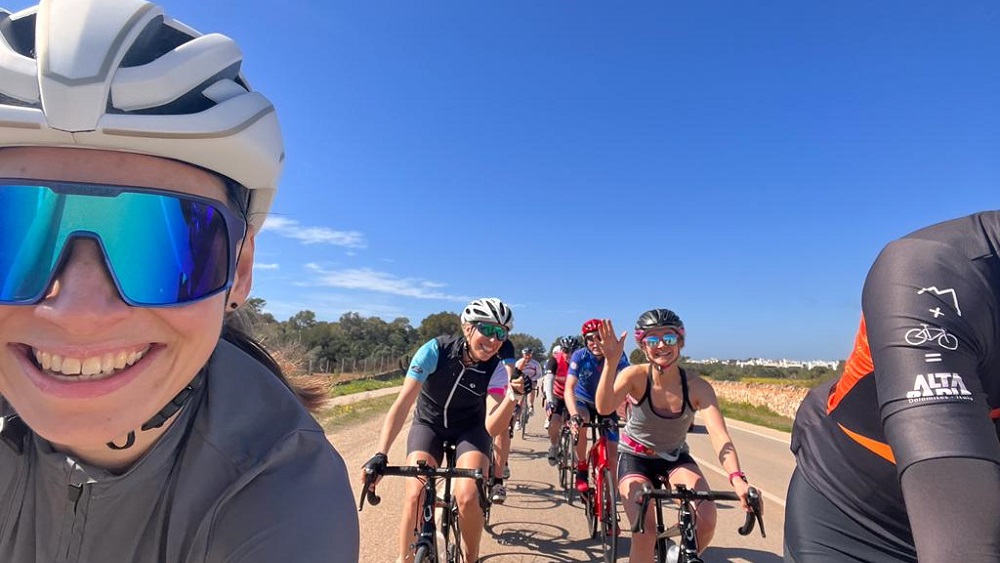
We spend an astonishing amount of our lives indoors, sat down, looking at screens. Triathlon drags you outside whether you like it or not.
I'm biased, living in Northumberland, but there's nothing quite like an early open water swim with mist on the lake, or a ride along quiet lanes with the coast on one side and the hills on the other. You notice the seasons change. You find roads and trails five miles from your front door that you never knew existed.
You don't need to chase perfect weather either. Some of the sessions you'll remember longest are the ones where it rained sideways and you went anyway.
Races become family holidays
This is the part people don't expect. Pick your races well and they turn into the best trips you'll take all year.
Triathlons happen in beautiful places: lakes, coastlines, mountain towns, Mediterranean islands. Build a week around race day and everyone gets something out of it. You get your event, the family gets a holiday, and the kids get to shout themselves hoarse at the finish line. Children who grow up watching a parent train for something hard and then go and do it learn a lot without anyone giving them a lecture.
A few things make it work. Choose a destination the whole family actually wants to visit. Race early in the trip so you can relax properly afterwards. And be honest about the balance: it's their holiday as well as your race.
Training camps do the same job. A week of warm weather riding and swimming in Mallorca is a holiday with a purpose, and you come home fitter than you left. You can see what we run at triathlontrainingcamps.com.
“I had a brilliant week on the triathlon training camp. It was great to spend a week with like-minded people on the beautiful island of Mallorca dedicated to swimming, cycling and running without any distractions from work or normal life.” — Amy, Mallorca camp
The people you meet
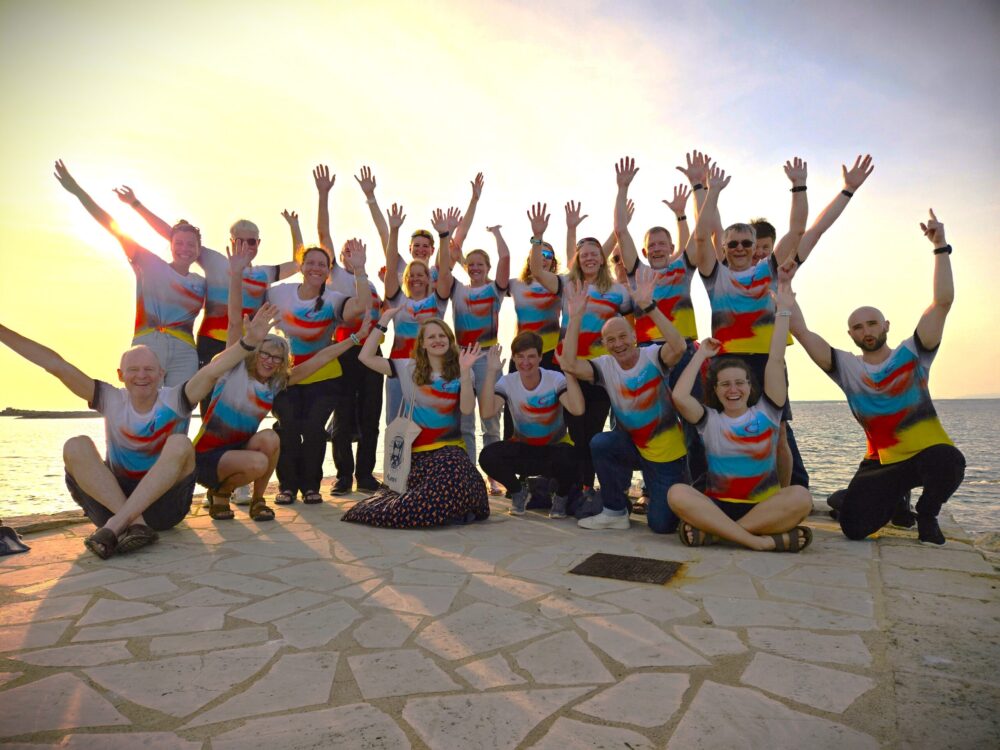 Triathlon looks like an individual sport. It isn't.
Stand in a transition area at six in the morning and you'll be lent a pump, offered a spare gel and wished good luck by a complete stranger within about three minutes. The fastest athletes in the field rack their bikes next to first-timers, and the loudest cheers of the day are usually for the last person home.
The friendships are the real prize. The people you swim with on a cold Saturday, the club mates you ride with, the athlete you met on a camp and now race with every summer. You'll meet people of every age, job and background who you'd never otherwise cross paths with, and you've got something in common before you've said a word.
“Thanks everyone for such a fantastic week. I had an amazing time with a great bunch of folk. Wish I was still there.” — Linda, Mallorca camp
What else it gives you
Confidence that carries over. Finish something you once thought was beyond you and it changes what you're prepared to take on elsewhere, at work and at home.
“I was so unsure about getting a coach but I haven't looked back since the very first day with Paul.” — Ellie, F4L athlete
Better use of your time. Busy people who train get very good at planning their week. An hour becomes worth something.
Something to keep learning. There's always a skill to work on, whether that's your swim stroke, your pacing or your nutrition. You never run out of ways to improve, and you can keep at it for decades.
A sport for life. Age-group racing runs from teenagers to athletes in their 80s. You don't retire from this one.
It has to fit your life
None of this works if triathlon takes over. A lifestyle that costs you your family time or leaves you exhausted at work isn't one worth having.
My coaching has always run on a simple order of priorities: family first, work second, training third. Training should fit around your life, not the other way round. Get that right and you can do this sport happily for 30 years. Get it wrong and you'll be burnt out in three.
“He creates bespoke programs that fit in around your life and as I've cited many times, has always got me to the start line in the best condition I can be in given my other life circumstances. I have honestly achieved way more than I ever thought I could have.” — Stef, F4L athlete
You don't need 20 hours a week or a bike that costs more than your car. You need a sensible plan, a bit of consistency, and a reason to get out of the door.
Frequently asked questions
Is triathlon good for your health?
Yes. Swimming, cycling and running together build aerobic fitness, strength and endurance while spreading the load across your body, so you get fitter with less risk of overuse injury than doing one sport alone. Most athletes also report better sleep, more energy and a clearer head.
What are the benefits of doing triathlon?
Beyond all-round fitness, triathlon gets you outdoors, gives your week a structure and a goal, and introduces you to a welcoming community. It also opens up travel, with races and training camps in places you'd happily take the family on holiday.
Can you train for a triathlon with a full-time job and a family?
Yes, and most age-group triathletes do. The key is a plan built around your life rather than the other way round, with family first, work second and training third. Consistent, sensible sessions beat big weeks you can't sustain.
How many hours a week do you need to train for a triathlon?
It depends on the distance and your starting point. As a rough guide, four to six hours a week is enough for a sprint or Olympic distance race, and most people training for an IRONMAN build to somewhere between ten and fifteen hours in their biggest weeks.
Can you combine a triathlon race with a family holiday?
Absolutely. Pick a destination everyone wants to visit, race early in the trip, and keep the rest of the week for the family. Many triathlons are held by lakes, coastlines and resort towns that make ideal holiday bases.
Is triathlon a sociable sport?
Very. You race as an individual, but clubs, group sessions, training camps and race weekends make it one of the friendliest sports going. Many athletes say the friendships are the main reason they keep coming back.
Ready to make it part of your life?
If you're thinking about your first triathlon, or planning something bigger for 2027, I'd love to help you build it around the life you already have. Get in touch here and we'll have a chat about where you are and where you want to get to.
Why a Coached Training Camp Changes the Game
Anyone can book a week in the sun and ride their bike. What moves you forward is having a coach watching you do it.
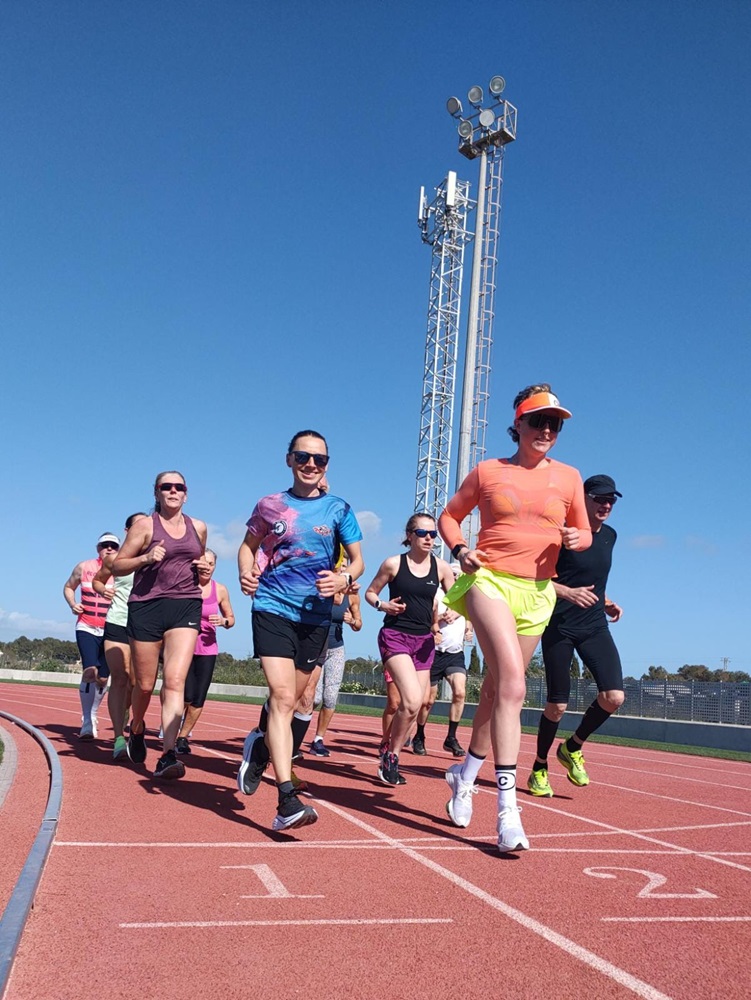
That's what you're paying for on our camp. The week starts with bike skills and swim video analysis, so we know exactly what each athlete needs to work on before the real training begins. From there, every session is coached: poolside feedback as you swim, individual work on the faults the video picked up, guidance on the climbs and descents, and transition practice until it's second nature. Every drill has a clear purpose, and you'll be told why you're doing it. We pick the two or three changes that will make the biggest difference to you, rather than burying you in everything that could be better.
It works for mixed abilities too, because the coaching is aimed at the individual and not the group:
"The coaching team were always approachable and made me feel as if I was getting 1 to 1 coaching at all times even though it was a mixed ability group, they explained why I was struggling in certain areas and how to correct it with every drill having a clear objective."
Add warm weather, quality open water swimming, proper hills and no distractions from work, and you get a week of coached training that's almost impossible to replicate solo through a British winter. You go home fitter, and you go home knowing what to work on and how to fix it.
Our next Mallorca training camp runs 17–24 April 2027 in Colonia de Sant Jordi, from £1,099pp, with a £250 deposit to secure your place. Timed right after a winter of proper base building, it's the ideal springboard into race season for anyone building towards a 2027 IRONMAN.
Where Coaching Makes the Difference
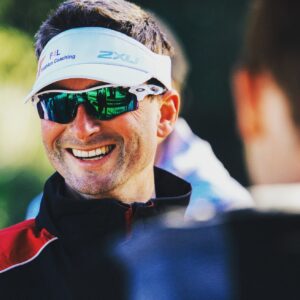
I've spent over 20 years coaching triathletes, and the plans that work aren't generic ones pulled off a shelf. My job is to help people achieve the impossible — their goals, their ambitions — whether that's getting to a first triathlon finish line or chasing a Kona qualification, built around training that fits real life: family first, work second, training third, and still gets you to the start line in the shape of your life.
I'm a British Triathlon Level 3 and IRONMAN Certified Coach, also holding Triathlon Australia Performance Coach and Certified Biomechanics Coach credentials — so whatever stage you're at, the plan in front of you is built on what actually works, not what looks good on paper.
Start Now, Not in March
If 2027 is your IRONMAN year, the work starts now — not when the weather turns. Get in touch about 1-2-1 coaching with F4L, or secure your place on the 2027 Mallorca training camp and give your off-season a proper finish line of its own.