 No, you don't need a coach to finish your first IRONMAN — plenty of people do it with a free plan and a lot of determination. But a good coach makes it far more likely you'll reach the start line healthy, enjoy the build, and race to your potential rather than just survive. A coach is most valuable if you have a busy job or family, a history of injury or illness, an unpredictable schedule, or you simply don't know where to start. If you have lots of free time, a sound injury history and real discipline, a well-structured plan may be enough.
It's a fair question, and you'll get a biased answer from most coaches. So I'll give you an honest one — including who I think doesn't need a coach.
Right now, thousands of people are signing up for their first IRONMAN in 2027. Most will ask themselves this question at some point between hitting "enter" and their first long ride in the rain. Here's how to work out the answer for you.
What a coach actually does (it's not just writing a plan)
A training plan is the easy bit. You can download one for free. What you're really paying a coach for is everything that happens when the plan meets real life:
- Adjusting the plan every week. You get a cold, a work deadline lands, the kids are off school, your knee niggles. A plan doesn't know any of that. A coach does, and changes the week accordingly.
- Getting the load right. Most self-coached athletes either do too much too soon and break, or do too little of the right thing and plateau. Progressing training at a pace your body and your life can absorb is the core skill of coaching.
- Spotting problems before they become injuries. Patterns in your data, your sleep and the way you describe sessions often flag trouble weeks before something actually hurts.
- Technique. Especially the swim. A coach can see what you can't — and fixing one fault can be worth more than months of extra training.
- Race strategy. Pacing, nutrition, kit, transitions and what to do when it goes wrong. The IRONMAN pacing mistakes I see most are made by athletes who were fit enough but had no plan.
- Accountability and perspective. Someone who'll tell you to do the session when you'd rather not — and, just as importantly, tell you to rest when you're about to dig yourself into a hole.
Free plan vs app vs coach: an honest comparison
| Free / book plan | Training app | Personal coach | |
|---|---|---|---|
| Cost | Free or one-off | Low monthly fee | From around £125/month with F4L |
| Built around your life | No — fixed template | Partly — adjusts to data | Yes — built around work, family and shifts |
| Adapts to illness, injury, life | No | Partly | Yes, week by week |
| Technique feedback | No | No | Yes |
| Race strategy | Generic | Generic | Specific to you and your race |
| Someone to ask | No | No | Yes — direct access |
| Best for | Experienced, disciplined, time-rich | Data-driven athletes with stable routines | First-timers, busy lives, anyone who wants it done properly |
When you probably don't need a coach for your first IRONMAN
I'd honestly tell you to save your money if most of these are true:
- You've already done a few triathlons, including a 70.3, and understand how to structure training
- You have plenty of flexible time and a predictable week
- You've never had a significant injury or a habit of getting ill in heavy training
- You're a confident swimmer with sound technique
- You're genuinely good at backing off when you're tired — not just pushing on
- Your goal is simply to finish, and you're relaxed about the time
If that's you, a well-structured plan and a bit of reading will probably get you round. Good luck — and enjoy it.
 When a coach makes the biggest difference to your first IRONMAN
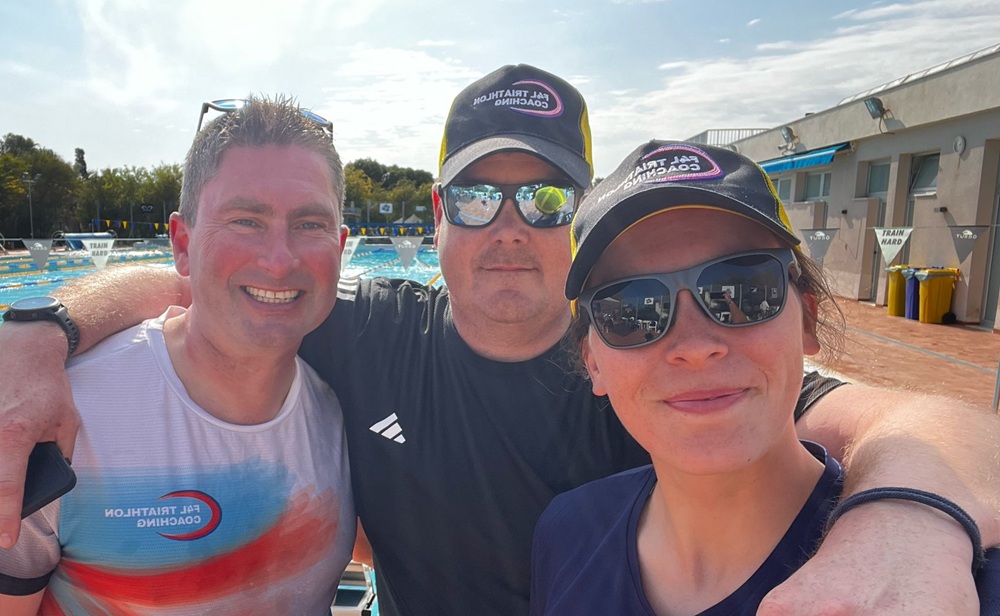
On the other hand, a coach tends to be worth every penny if:
- It's your first IRONMAN, or your first triathlon of any kind. There's a lot you don't know you don't know. A coach shortcuts years of trial and error.
- Your life is busy. Family first, work second, training third is how most of my athletes live. Fitting 10–15 hours a week around that, without your relationships or job suffering, is the hardest part of IRONMAN — and the part a plan can't help with.
- Your schedule is unpredictable. We've coached nurses, midwives, firefighters and plenty of other shift workers to their goals. A fixed weekly template simply doesn't work for them.
- You've broken down before. If previous builds ended with injury, illness or burnout, doing the same thing again with more determination isn't the answer.
- You've plateaued. Many experienced athletes who train alone underperform on race day. Most F4L athletes end up training fewer hours and racing faster.
- The swim worries you. It's the leg most people fear before their first IRONMAN, and the one where technique coaching makes the biggest difference.
- You think you're too old. You're not. One F4L athlete completed her first IRONMAN at 70 — with a plan built for her body, not a 30-year-old's.
What does a triathlon coach cost — and is it worth it?
The cost of personal IRONMAN coaching in the UK varies widely, depending on how much contact you get and the coach's experience. F4L coaching starts at £125 a month.
To put that in context: by the time you've paid for a full-distance entry, a bike, a wetsuit, travel and accommodation, most people have spent thousands on their first IRONMAN. Coaching is often the smallest line on the bill — and the one most likely to decide whether all that money gets you to the finish line healthy, or to the sidelines with a stress fracture in May.
How to choose a triathlon coach
If you decide a coach is right for you, don't just pick the one with the best Instagram. Ask:
- What qualifications do you hold? In the UK, look for British Triathlon coaching qualifications (Level 3 is the advanced award for coaching individual athletes) and IRONMAN Certified Coach status.
- How long have you been coaching, and who have you coached? Experience with first-timers matters as much as working with elite athletes.
- How will the plan fit around my life? Listen for questions about your job, family and schedule — not just your threshold numbers.
- How often will we be in contact, and how? Weekly check-ins? Messaging? Calls? Know what you're getting.
- What platform do you use? Most good coaches deliver training through TrainingPeaks or similar, synced to your watch.
- Can I speak to current athletes or read reviews? Real reviews from real athletes tell you more than any sales page.
 What coaching with F4L looks like

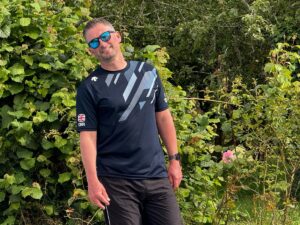
I've been coaching triathletes for over 20 years, full-time since 2009. I hold the British Triathlon Level 3 High Performance Coach award and I'm an IRONMAN Certified Coach, Triathlon Australia Performance Coach and Certified Biomechanics Coach. I've guided athletes to the IRONMAN World Championship in Hawaii and the 70.3 World Championships — but most of my athletes are people with jobs, families and a big goal.
Every plan is built on three things: consistency, sustainability and balance. In practice that means:
- A personalised plan built around your actual week, delivered through TrainingPeaks
- Direct access to me via WhatsApp and email, every week of your build
- Training adjusted when life happens — because it will
- Race-specific strategy for pacing, nutrition and race week
Athletes like Jennifer Harnden, Clare Whittaker and Sophy Howell have all written in their Google reviews about the same thing: structure and accountability that fits around a busy life, rather than taking it over.
Alongside online coaching, there are two great ways to get some face-to-face time on your 2027 build:
- 1-2-1 swim analysis — new December and January dates now open in Morpeth, Northumberland. Underwater video, a clear plan for your stroke, and your videos to keep. Ideal if the swim is your biggest worry.
- Mallorca Triathlon Training Camp 2027, 17–24 April in Colonia de Sant Jordi. A week of coached swim, bike and run with a 1:8 coach-to-athlete ratio — the perfect springboard into race season.
When to start working with a coach for your first IRONMAN
For a first IRONMAN, I'd like 9–12 months to work with — so if you're racing in summer 2027, the best time to start is now. Autumn and winter are when the foundations are laid: building aerobic fitness, fixing your swim and getting strong enough to absorb the bigger training in spring. Starting in March and trying to cram it in is how injuries happen.
Not sure which race to pick yet? Read How to Choose Your 2027 IRONMAN — or just tell me what you're thinking and we'll work it out together.
Enquire about 2027 coaching You can also check my British Triathlon coach profile. — it takes under a minute and I reply personally. Or call me on +44 7702 579 111.
Frequently asked questions
Do I need a coach for my first IRONMAN?
You don't need one to finish, but a coach significantly improves your chances of reaching the start line healthy and racing well. A coach is most valuable for athletes taking on their first IRONMAN with busy jobs or families, unpredictable schedules, a history of injury, or limited swimming experience.
How much does a triathlon coach cost in the UK?
The cost of personal IRONMAN coaching in the UK varies widely with contact level and coach experience. F4L Triathlon Coaching starts at £125 a month for a fully personalised programme with direct coach access.
Is a triathlon coach worth it compared to a free training plan?
A free plan tells you what to do on a perfect week. A coach adjusts your training when illness, work, family or niggles get in the way, gives technique and race-strategy feedback, and keeps your training load sustainable. For most first-timers and busy age-groupers, that's where the real value lies.
How long before my first IRONMAN should I start working with a coach?
Ideally 9–12 months before your race for a first IRONMAN, and at least 6 months for experienced athletes. That allows time to build aerobic base and fix technique over winter before the race-specific training in spring.
Can a coach help with my first IRONMAN if I work shifts or have young children?
Yes — this is where coaching makes the biggest difference. A coach builds your plan around your actual availability each week, rather than a fixed template. F4L has coached nurses, midwives, firefighters and many parents to their IRONMAN goals.
What qualifications should a triathlon coach have?
In the UK, look for British Triathlon coaching qualifications — Level 3 is the advanced award for coaching individual athletes — and IRONMAN Certified Coach status for full-distance racing. Experience coaching athletes with a similar goal and real athlete reviews matter just as much.
Related Reading
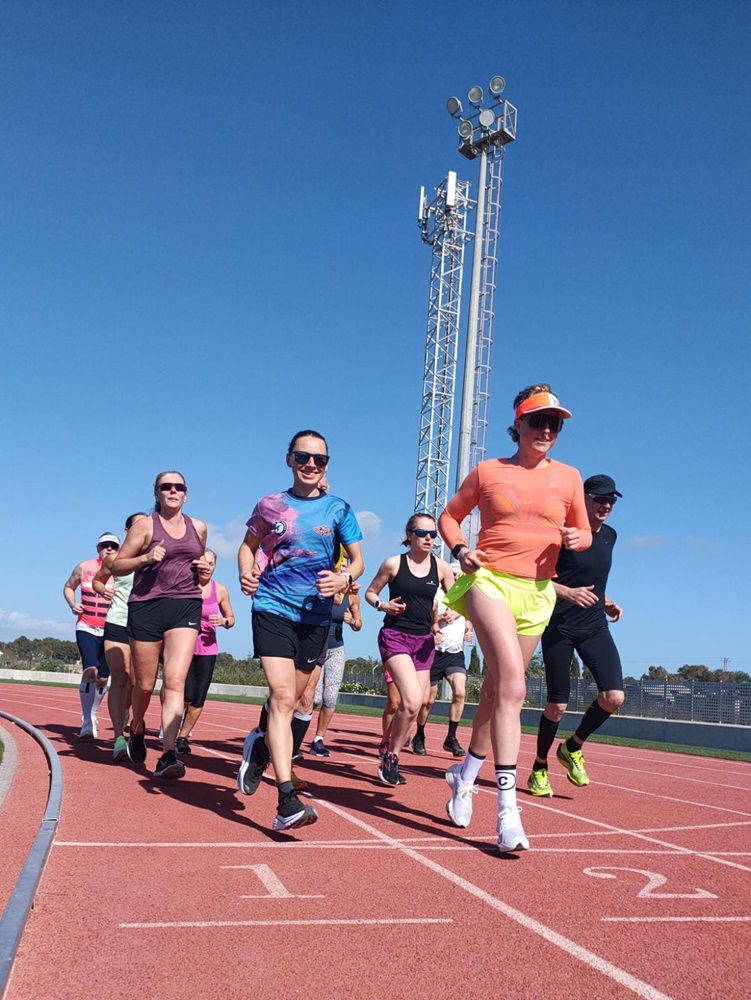
Why a Coached Training Camp Changes the Game
Anyone can book a week in the sun and ride their bike. What moves you forward is having a coach watching you do it.
That's what you're paying for on our camp. The week starts with bike skills and swim video analysis, so we know exactly what each athlete needs to work on before the real training begins. From there, every session is coached: poolside feedback as you swim, individual work on the faults the video picked up, guidance on the climbs and descents, and transition practice until it's second nature. Every drill has a clear purpose, and you'll be told why you're doing it. We pick the two or three changes that will make the biggest difference to you, rather than burying you in everything that could be better.
It works for mixed abilities too, because the coaching is aimed at the individual and not the group:
"The coaching team were always approachable and made me feel as if I was getting 1 to 1 coaching at all times even though it was a mixed ability group, they explained why I was struggling in certain areas and how to correct it with every drill having a clear objective."
Add warm weather, quality open water swimming, proper hills and no distractions from work, and you get a week of coached training that's almost impossible to replicate solo through a British winter. You go home fitter, and you go home knowing what to work on and how to fix it.
Our next Mallorca training camp runs 17–24 April 2027 in Colonia de Sant Jordi, from £1,099pp, with a £250 deposit to secure your place. Timed right after a winter of proper base building, it's the ideal springboard into race season for anyone building towards a 2027 IRONMAN.
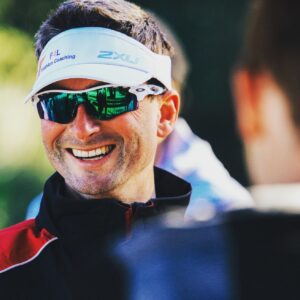
Where Coaching Makes the Difference
I've spent over 20 years coaching triathletes, and the plans that work aren't generic ones pulled off a shelf. My job is to help people achieve the impossible — their goals, their ambitions — whether that's getting to a first triathlon finish line or chasing a Kona qualification, built around training that fits real life: family first, work second, training third, and still gets you to the start line in the shape of your life.
I'm a British Triathlon Level 3 and IRONMAN Certified Coach, also holding Triathlon Australia Performance Coach and Certified Biomechanics Coach credentials — so whatever stage you're at, the plan in front of you is built on what actually works, not what looks good on paper.
Start Now, Not in March
If 2027 is your IRONMAN year, the work starts now — not when the weather turns. Get in touch about 1-2-1 coaching with F4L, or secure your place on the 2027 Mallorca training camp and give your off-season a proper finish line of its own.