 When Race Day Goes Wrong... Nobody posts the bad race.
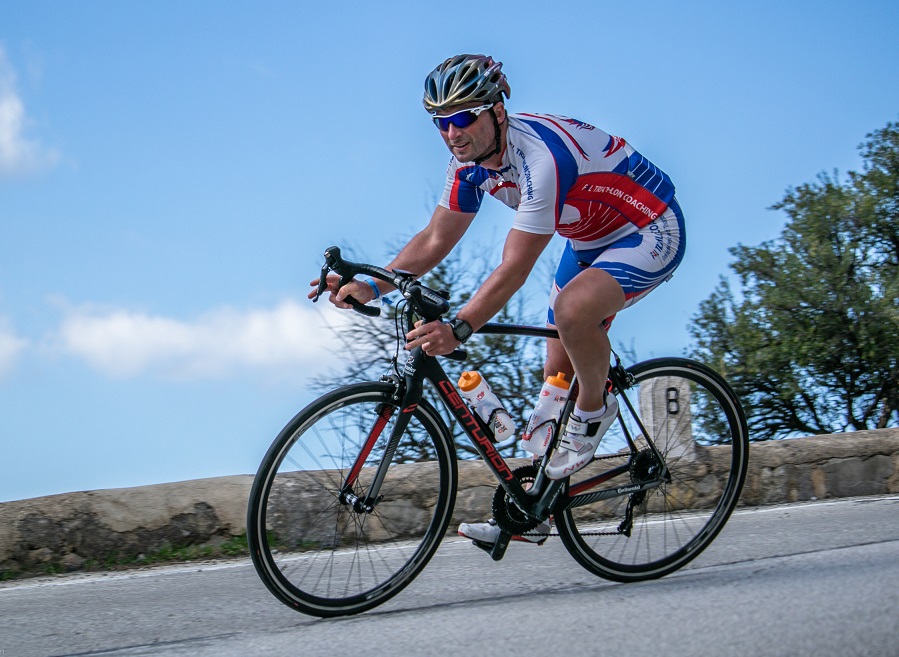
Scroll through any triathlon feed on a Monday morning and it’s finish line photos, medals and “so proud of this one”. What you don’t see is the athlete sat in the car park after a DNF. Or the one who limped round on an injury they’d been hiding for six weeks. Or the one who drove four hours to find the swim cancelled and the whole day rearranged.
After 20-plus years of coaching, I can tell you this: every athlete gets one eventually. You can do everything right and still have a race that doesn’t go to plan. Sometimes it’s you. Sometimes it’s the weather. Sometimes it’s an organiser making a call that’s completely out of your hands.
How you handle it matters more than most people realise. It decides whether you come back stronger, or spend the winter quietly convinced you’re not good enough.
Give It Time Before You Do Anything
First things first. Whatever went wrong, the feelings that follow are normal. Flat, angry, embarrassed, numb. Often all four before lunch.
You’ve put months into this. Early alarms, missed social plans, a family that’s put up with your training and your snack cupboard. Of course it stings when the day doesn’t deliver.
My advice is simple. Give it a couple of days before you decide anything. Don’t enter another race from the sofa at 11pm. Don’t announce you’re quitting the sport. Don’t rip up your plan. Emotions make a terrible coach. Eat properly, sleep, spend time with the people who love you, and come back to it when you can look at it clearly.
After that, what you do next depends on what actually happened. Here are the four versions I see most often.
1. You Raced With an Injury
This one is tough because it’s usually a choice, even when it doesn’t feel like one.
You get a niggle in week ten. It’s worse in week eleven. By race week you’re telling yourself it’ll be fine once the adrenaline kicks in. Sometimes it is. Often it isn’t, and you spend the day managing pain instead of racing.
If that’s you, there are two things to do.
Get it looked at properly. Not the internet, not a mate at the club. See a physio or your GP, get a proper diagnosis and follow the rehab. Racing on top of an injury can turn a two-week problem into a two-month one, and you need someone qualified to tell you where you stand before you lace up again.
Be honest about the decision. If you started, you made a call with the information you had at the time. Learn from it rather than beating yourself up. Next time, agree a plan with your coach well in advance: what would make you start, what would make you stop, and who gets the final say on the morning. It’s far easier to make that decision in week eight than on a start line with your nerves jangling.
And remember, sometimes not starting is the best race decision you’ll ever make. A DNS isn’t a failure. It’s an athlete looking at the bigger picture.
2. The Day Just Didn’t Come Together
Cramp at 60km. A stomach that shuts down on the bike. Legs like concrete from the first step of the run. A dropped chain, a puncture, a bottle out of the cage on the first speed bump.
Some of it you can control. Some of it you can’t. The trick is knowing the difference, which is why the first pillar of my CAMP framework is Control the Controllables.
Leave it a week, then sit down with a notebook and answer three questions:
- What went well? Start here, always. Something did.
- What was in my control? Pacing, fuelling, hydration, kit, warm-up, how I handled the first hour.
- What wasn’t? Weather, mechanicals, a bug picked up in race week, a rotten night’s sleep in a strange hotel.
Work on the second list. Let go of the third. Too many athletes spend a month trying to fix problems that were never theirs to fix.
It’s also worth checking the usual suspects. If you felt flat and heavy, have a look at my piece on taper anxiety. If you went out too hard and paid for it, how to pace an IRONMAN is worth a read.
But sometimes there’s no neat explanation. Sometimes it’s just a bad day. If the answer is “no idea”, accept it and move on. Your fitness didn’t vanish overnight. It’s still in there.
 3. The Swim Gets Cancelled or Shortened
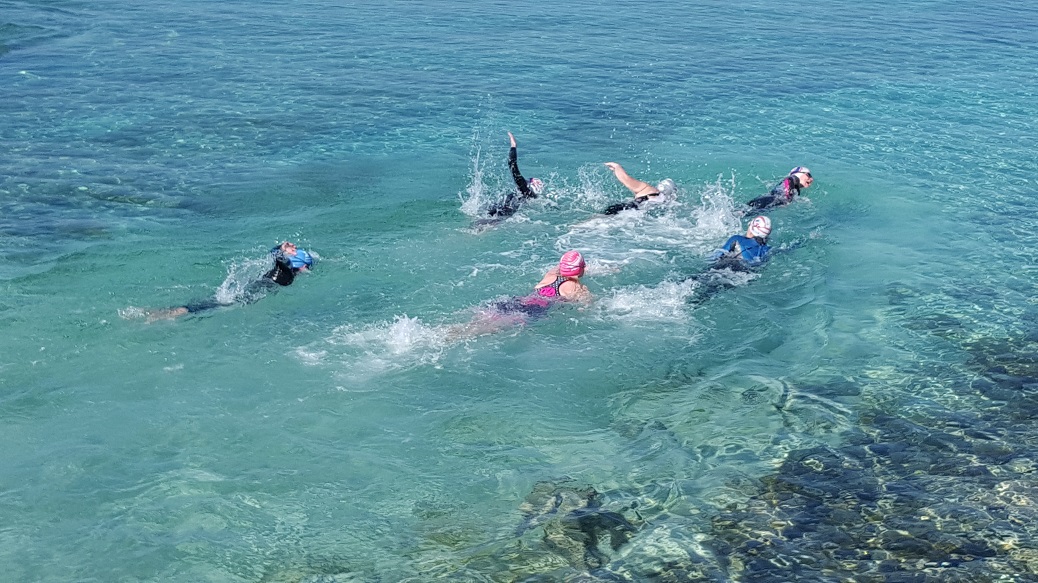
Wind turning the lake into a washing machine. Water temperature below the limit. Blue-green algae. A tide that isn’t playing ball. The organisers make the call at 5am, and suddenly the race you trained for isn’t the race you’re doing.
Usually it becomes a much shorter swim, or the format switches to a run-bike-run duathlon. Depending on who you are, you’re either delighted or gutted. Both reactions are fair.
If you’re a strong swimmer, it hurts. You’ve spent months in the pool and the bit of the day where you make your time has just disappeared. If swimming is your weakness, you might feel relieved, then guilty about feeling relieved. Neither is anything to worry about.
What matters is this. Organisers cancel swims to keep people safe, and they’re right to. Every year athletes get into trouble in conditions they should never have been racing in. It’s a safety decision, not a personal one.
Then race what’s in front of you. A cancelled swim changes the race, so plan for the new one. Don’t hit that first run like a parkrun because you feel fresh. You’ve still got the rest of the day to get through, and the pacing rules haven’t changed. Extra energy in the tank after a short swim is a gift. Don’t burn it in the first hour.
And your swim fitness isn’t wasted. It’s banked, and it’ll be there for the next one.
One practical tip for race week: ask yourself “what if the swim is cancelled?” and have a two-minute plan. Athletes who’ve thought about it take it in their stride. Athletes who haven’t spend the morning in a spin.
 4. The Whole Event Gets Cancelled
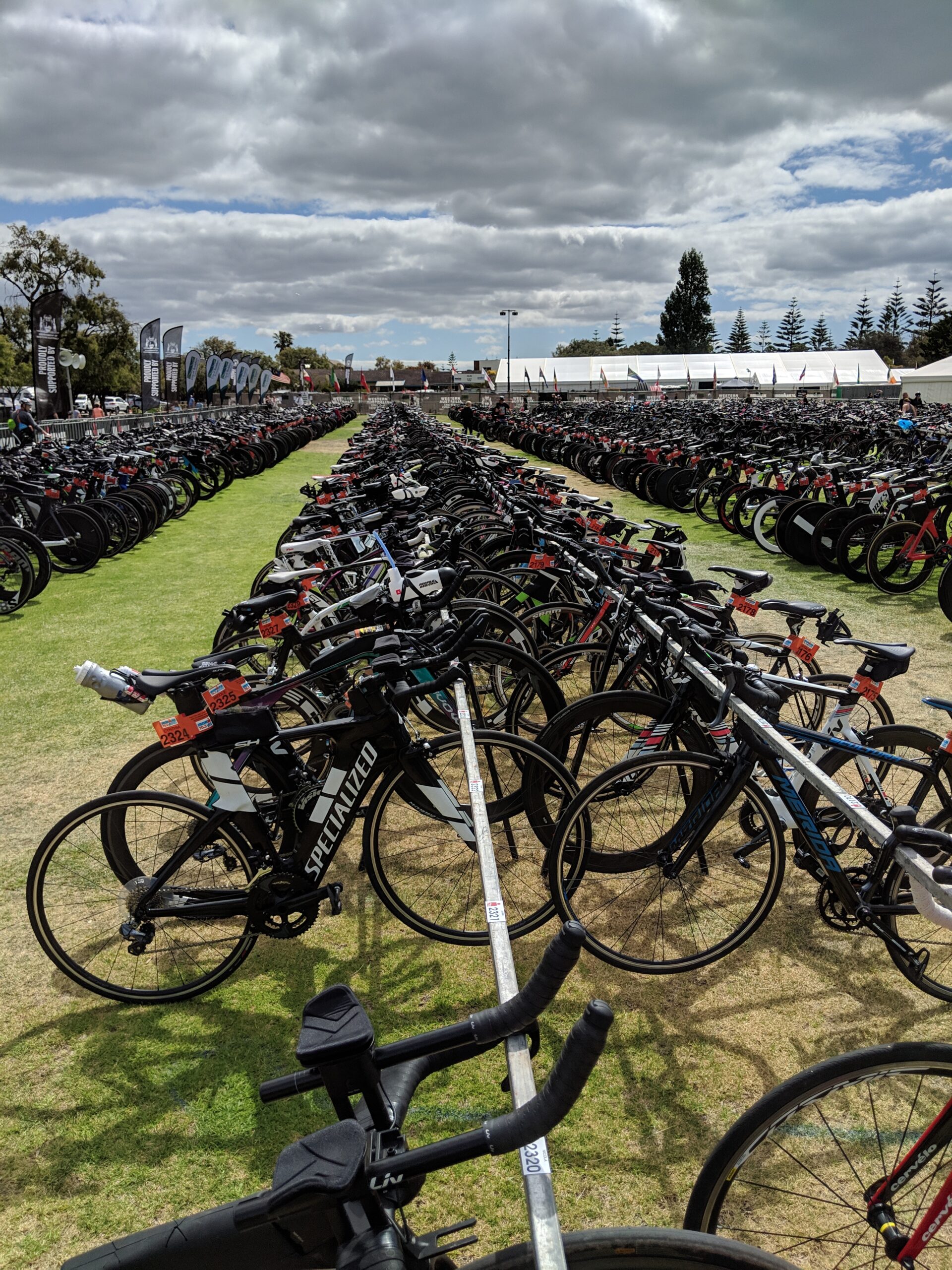
This is the worst one, and I don’t say that lightly.
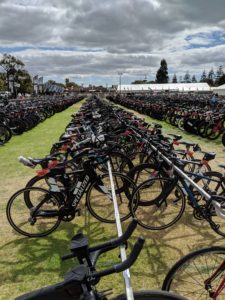
Storms, flooding, safety concerns, an organiser who can’t get it over the line. Whatever the reason, you’ve trained for months, travelled, paid for accommodation, and there’s no finish line. With a DNF, at least you had a go. With a cancellation you’ve got nothing to show for it, and it feels unfair because it is unfair.
Let yourself be gutted. Then, when you’re ready, work through your options:
- Check the small print. Some organisers offer a deferral, transfer or partial refund, and others don’t. Find out what you’re entitled to, and check your travel insurance, before you decide anything else.
- Race again. If you’re healthy and in shape, a replacement event in the next few weeks is a great way to use the fitness you’ve built. Pick something local and low-key. It doesn’t have to be an A-race. It might even be more fun.
- Use the fitness another way. A club time trial, an open water swim session, a sportive, a long day out with friends, or a week on a training camp. You’ve earned a proper day out, and it doesn’t need a timing chip.
- Draw a line under it. If it’s late in the season, take the rest and start planning the next one. My article on IRONMAN off-season training covers how to use the winter well, and if 2027 is next on the list, now is the time to get a plan in place.
Whichever you choose, choose it on purpose. Don’t just drift into it.
Your Training Wasn’t Wasted
Whichever version you’ve had, this is the bit I want you to hold onto. The race is one day. The fitness took months to build and it doesn’t disappear because the day didn’t go your way. The consistency, the routine and the mental toughness of getting out of bed when it’s raining all stay with you.
I always tell athletes the order of priority is family, work, then training. The race sits inside that, not above it. It’s a handy yardstick after a bad day. The people who matter to you are still there. The job is still there. And you’re still an athlete.
Your First Seven Days
If it all feels a bit much, here’s a simple way to get through the first week.
- Days 1 and 2: Rest and feel what you feel. No decisions.
- Day 3: Get anything physical looked at by a physio or your GP.
- Days 4 and 5: Easy movement only. A walk, a gentle swim, a spin with no numbers. This is about feeling good, not training.
- Day 7: Do the three-question debrief above, on your own or with your coach.
- Week 2: Pick your next goal and write it down.
The athletes I’ve seen come back strongest aren’t the ones who never have a bad race. They’re the ones who treat it as information, take what’s useful and get on with it. Races come and go. Consistency is what builds the athlete.
Frequently Asked Questions
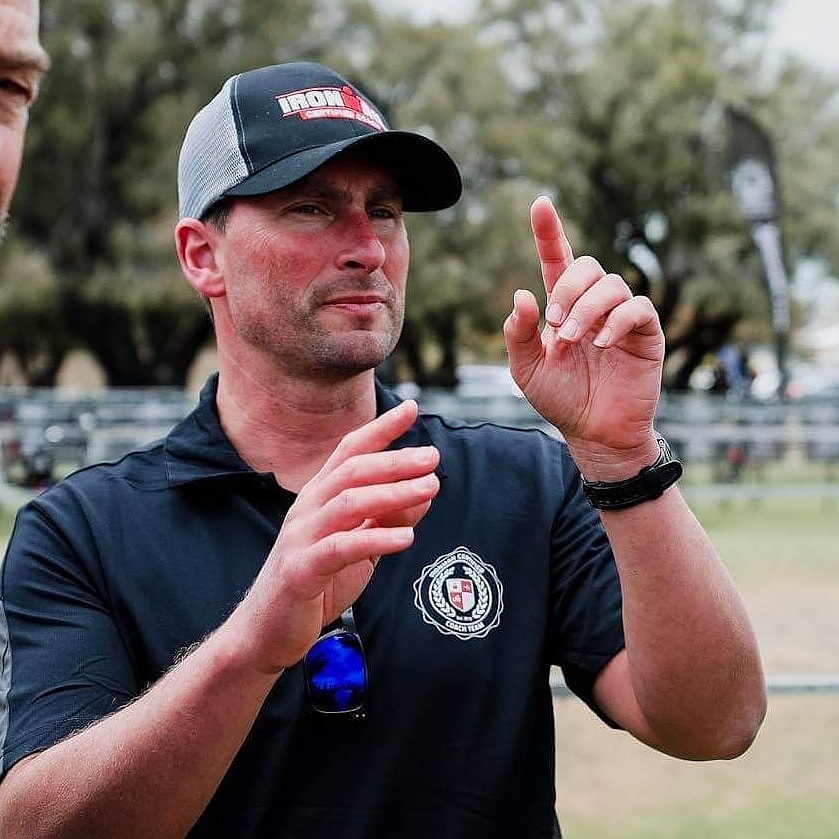
A few questions I get asked a lot about race day setbacks, answered by Paul Jones, British Triathlon Level 3 and IRONMAN Certified Coach with over 20 years’ coaching experience:
 Is it normal to feel gutted after a triathlon DNF?
Yes. Feeling flat, angry or embarrassed after not finishing a triathlon is a completely normal reaction, especially after months of training. Give it a couple of days before making any big decisions about racing again or changing your training plan. The feeling passes far quicker than you think.
Should I race a triathlon if I’m carrying an injury?
Only after getting it properly assessed by a physio or your GP. Racing through pain can turn a niggle into a much longer layoff. If you do decide to start, agree in advance with your coach what would make you stop, so the decision isn’t made mid-race on adrenaline.
What happens if the swim is cancelled at a triathlon?
Organisers usually shorten the swim or switch the event to a run-bike-run format, for reasons such as high winds, cold water or poor water quality. It’s a safety call, not a reflection on the athletes. Plan to pace the rest of the race normally rather than pushing too hard on fresh legs.
Can I get a refund if my triathlon event is cancelled?
It depends on the organiser’s terms and conditions, so check the small print for a deferral, transfer or partial refund, and check your travel insurance policy too. Some events offer nothing, which is worth knowing before you enter next time.
How do I recover mentally after a bad triathlon race?
Rest for a couple of days without making decisions, then do a simple debrief: what went well, what was in your control, and what wasn’t. Work on the controllable factors and let go of the rest. The fitness you built doesn’t disappear because one race didn’t go to plan.
What should I do in the week after a triathlon that didn’t go to plan?
Rest for the first two days, get anything physical checked by a physio, then ease back in with light movement rather than structured training. By day seven, do a proper debrief and start looking ahead to your next goal.
If you’ve had a race that didn’t go to plan, or you’re looking ahead to an IRONMAN or triathlon challenge in 2027 and want a coach in your corner, I’d love to hear from you.
 Why a Training Camp Changes the Game
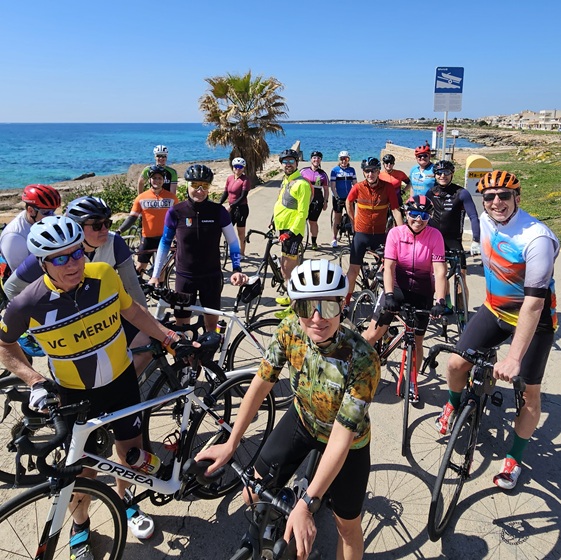
A well-run training camp compresses months of this work into a single week of warm-weather, coached, distraction-free training — the kind of concentrated volume that's almost impossible to replicate solo through a British winter. Quality open water swimming, proper hill work on the bike, video analysis, and training alongside other athletes chasing the same goal all add up to a disproportionate jump in fitness and confidence for the days invested.
Our next Mallorca training camp runs 17–24 April 2027 in Colonia de Sant Jordi — from £1,099pp, with a £250 deposit to secure your place. Timed right after a winter of proper base building, it's the ideal capstone to your off-season and springboard into race season for anyone building towards a 2027 IRONMAN.
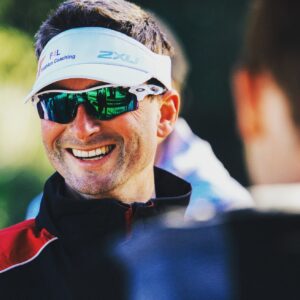
Where Coaching Makes the Difference
I've spent over 20 years coaching triathletes, and the plans that work aren't generic ones pulled off a shelf. My job is to help people achieve the impossible — their goals, their ambitions — whether that's getting to a first triathlon finish line or chasing a Kona qualification, built around training that fits real life: family first, work second, training third, and still gets you to the start line in the shape of your life.
I'm a British Triathlon Level 3 and IRONMAN Certified Coach, also holding Triathlon Australia Performance Coach and Certified Biomechanics Coach credentials — so whatever stage you're at, the plan in front of you is built on what actually works, not what looks good on paper.
Start Now, Not in March
If 2027 is your IRONMAN year, the work starts now — not when the weather turns. Get in touch about 1-2-1 coaching with F4L, or secure your place on the 2027 Mallorca training camp and give your off-season a proper finish line of its own.