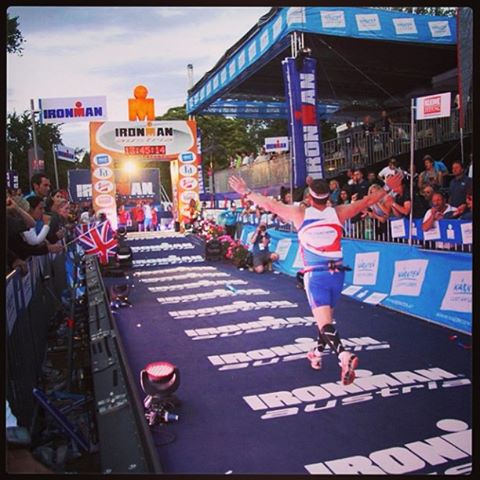
Triathlon Taper Anxiety is one of the most common challenges in Triathlon and IRONMAN preparation.
 Ask any triathlete how they feel about the taper and you'll get one of two answers. Either they can't wait for it, or it fills them with a low-level dread that lingers for weeks before race day, Triathlon Taper Anxiety.
Neither response is particularly helpful.
Here's something worth thinking about. The word "taper" actually means to diminish — to make something smaller at one end. And in the context of training, that's exactly the message it sends. You've spent months building something. Now we're going to make it smaller. Great. Thanks for that.
So much of what happens on race day happens between the ears. We know this. Yet right at the point when an athlete's mindset matters most, we're handing them a word that describes decline.
I've been coaching athletes for nearly two decades, and I've seen this play out in both directions.
The Athlete Who Loves the Taper
This athlete has been grinding for months and they've earned every hour of it. When the taper arrives, they embrace it fully. Extra sleep. Less structure. A bit more flexibility in the week.
The danger here is that flexibility becomes drift. One skipped session becomes two. The intensity of the sessions that remain drops off because, well, it's the taper — it doesn't really matter, does it? The work is done.
Except it does matter. The sessions in this final phase are lower in volume, but the intention behind them should be exactly the same. If we frame this as a reduction, athletes often reduce more than they should.
The Athlete Who Dreads the Taper
This athlete has been watching their fitness build for months and now they're watching it fall away. Every rest day feels like a step backwards. The temptation to add a few extra efforts, squeeze in an unplanned session, or simply push harder than planned becomes almost irresistible.
I've seen athletes unravel weeks of excellent preparation in the final fortnight because they simply couldn't trust the process. They turned their taper into a second training block. And they paid for it on race day.
A Different Way to Think About It
 What if, instead of calling it a taper, we called it the final preparation phase?
Because that's what it actually is. Everything you've done — every long ride, every brick session, every early morning open water swim — has been building towards this. You're not diminishing. You're arriving.
Framing matters. When an athlete believes they're peaking, they protect the process. They do the sessions as planned because they understand that each one is a precise part of arriving at the start line in the best possible shape. The athlete who wants to do less stays focused. The athlete who wants to do more trusts the plan.
The training load reduces, yes. That part is non-negotiable — you need to shed fatigue to perform. But the mindset doesn't have to reduce along with it.
What I Ask of My Athletes
In the final weeks before a race, I want the same professional approach from my athletes as I've seen from them throughout the whole programme. Show up. Execute. Trust what we've built together.
The hay is in the barn. But that doesn't mean the doors are open.
You're not tapering. You're peaking. There's a significant difference — and on race morning, you'll feel it.
Frequently Asked Questions: Triathlon Taper and the Peaking Phase
What is taper anxiety in triathlon? Taper anxiety is the restlessness, self-doubt, and urge to do more training that many triathletes experience when their training volume reduces in the weeks before a race. It's extremely common, even among experienced athletes. The reduced workload can feel like going backwards, particularly when an athlete has been in heavy training for months. Understanding that this is a normal psychological response — not a sign that something is wrong — is the first step to managing it.
How long should a triathlon taper be? The length of a taper depends on the race distance. For a sprint or Olympic distance triathlon, one week is typically sufficient. For a 70.3 IRONMAN, 10 days is standard. For a full IRONMAN, most athletes benefit from a two week taper... but every athlete is different. The exact structure will vary based on the individual athlete — their training load, recovery rate, and how their body responds to reduced volume. At F4L Triathlon Coaching we will personalise this rather than apply a one-size-fits-all approach.
Should I still train during the triathlon taper? Yes — absolutely. The taper is not a holiday. Training volume reduces significantly, but the sessions that remain should still be executed with focus and intention. Key sessions will typically include short race-pace efforts across all three disciplines to keep the body sharp without adding fatigue. Missing sessions or training without purpose during the taper is one of the most common mistakes athletes make in race preparation.
Why do I feel tired or unfit during the taper? Feeling flat or sluggish during the taper is very normal. It happens because your body is shifting resources toward recovery and adaptation after months of hard training. Perceived fitness can drop even as actual fitness peaks. This is one of the main reasons the taper phase is so psychologically challenging — you feel worse at exactly the moment you should be feeling confident. Trust the process. Most athletes feel significantly better in the final 48 hours before race day.
What should I eat during the triathlon taper? Nutrition during the taper should broadly reflect your training load. As volume reduces, your overall calorie needs reduce slightly — but many athletes make the mistake of continuing to eat as though they're in peak training. In the final days before a race, carbohydrate loading becomes relevant for longer events such as 70.3 and full IRONMAN, where glycogen availability has a significant impact on performance. Keep meals familiar and well-tested; race week is not the time to experiment with new foods.
How do I deal with taper blues and grumpyness as a triathlete? The key is structure and trust. Keep a routine even when training volume is low. Stick to your planned sessions and resist the urge to add more. Channel the extra energy into race-week logistics — kit preparation, travel planning, reviewing your pacing and nutrition strategy. Sleep more. And remind yourself that feeling anxious or restless during the taper is not a sign that something has gone wrong. It's a sign that you care, and that you're ready to race.

If the final weeks have cost you before, let's make sure they don't again.
Everything in this article — the mindset shift, the discipline to trust the process, the ability to arrive at the start line peaked rather than depleted — is exactly what I work through with every coached athlete in the build-up to race day. Not as a generic taper plan. As a structured approach built around you, your race, and where you are in your season.
F4L Triathlon Coaching is built around one idea: that the athletes who race well aren't just the fittest — they're the ones who've prepared for the moments that unravel when it counts. The doubt that creeps in on rest days. The urge to do more when the plan says less. The mental discipline to peak, not just taper.
If you're ready to stop second-guessing the process and start building a race you can actually execute: