 IRONMAN — Heat Management and Run Strategy
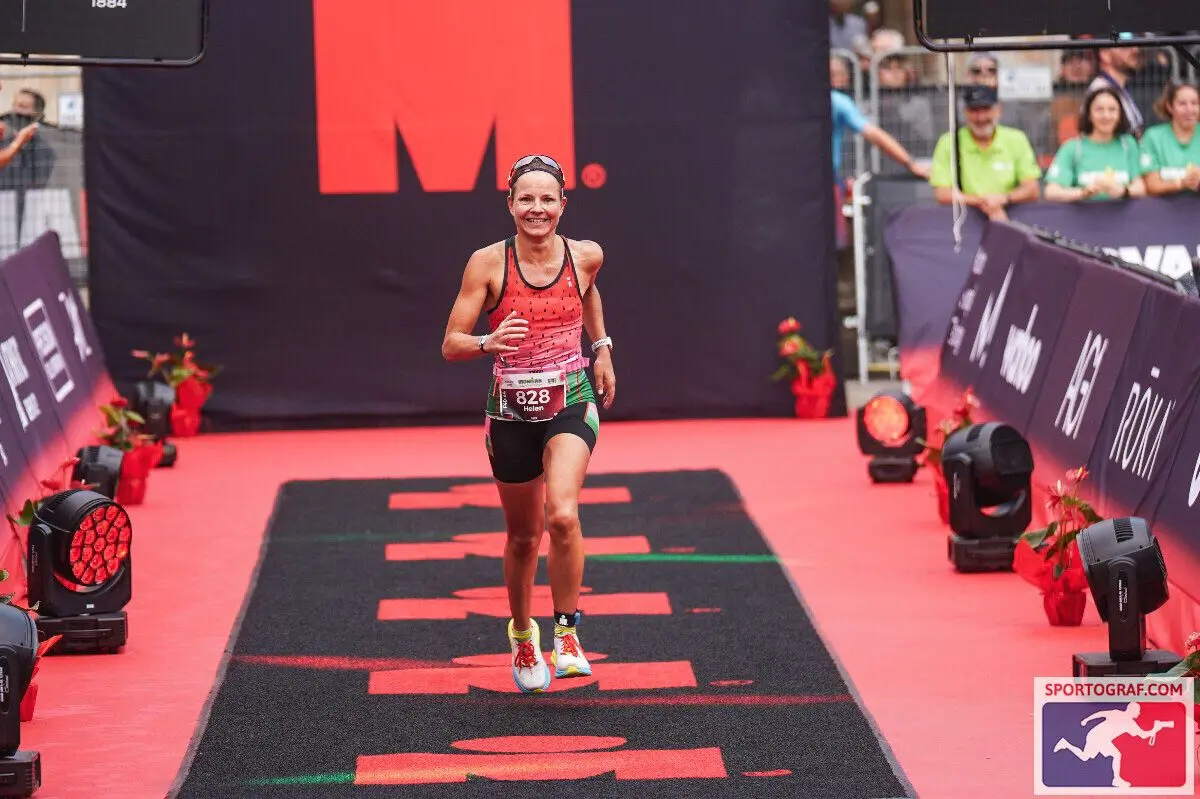
Ask most IRONMAN athletes what they're worried about before race day.
They'll tell you about swim starts and choppy water. They'll mention tyre punctures and climbing the back half of the bike course. Some will confess to dreading T2, that strange no-man's-land where the legs stop making sense.
Almost none of them mention heat.
And yet heat — and the failure to manage it — is one of the single most common reasons a well-trained athlete falls apart on the IRONMAN run. It's not a fitness problem. It's a planning problem. And it's one that an experienced IRONMAN coach will address with every athlete racing in warm conditions.
It doesn't announce itself dramatically. It creeps in. By kilometre eight or nine, something just feels wrong. The effort feels disproportionate to the pace. Thinking becomes foggy. The gap between what you planned to run and what you're actually running starts to widen in a way that can't be closed.
By then, it's usually too late to fix it.
Heat Is a Performance Problem, Not Just a Comfort Problem
There's a tendency among endurance athletes to think of heat as something to "push through." A bad patch. A mental test.
It isn't. It's physiological, and it's cumulative.
When your core temperature rises, your body diverts blood flow away from working muscles and toward the skin — your body's primary cooling mechanism. Your heart rate climbs for the same effort level. Your rate of perceived exertion increases even though you haven't actually gone faster. And your gut, which was already under significant stress from hours of fuelling on the bike, becomes increasingly reluctant to absorb anything.
In a race that lasts anywhere from eight to seventeen hours, the thermal load accumulates across every discipline. You don't just arrive at the IRONMAN run hot. You arrive having been managing heat for the best part of a day — and then you're asked to run a marathon.
The athletes who run well in the heat aren't tougher than the ones who don't. They've just understood the problem earlier and planned for it properly.
 Where IRONMAN Heat Management Actually Begins
Not at the run. Not even at T2.
It starts the night before, with hydration. Arriving at the start line already in a mild fluid deficit — common after travel, nerves, and broken sleep — puts you on the back foot before you've even hit the water.
It continues through the swim, where thermal load is usually lower, but where the effort and anxiety of a mass start can spike core temperature more than most athletes expect.
And it accelerates on the bike, which is where most thermal damage is done in a hot IRONMAN.
Cycling creates airflow, and airflow creates a cooling effect that masks how hot you're actually getting. Athletes who feel fine at kilometre thirty on the bike are often significantly heat-stressed by kilometre ninety — they just don't feel it yet. The feedback loop is delayed. The IRONMAN run is where the bill arrives.
How to Stay Cool During an IRONMAN: Strategies That Actually Work
These are the cooling strategies I return to most often when coaching athletes racing in hot conditions — whether that's IRONMAN Lanzarote, IRONMAN Kona, IRONMAN Barcelona, IRONMAN South Africa, or any other warm-weather race.
Pre-cooling before the start. Getting your core temperature down before the race even begins gives you a thermal buffer to work from. Cold towels on the neck, ice vests during the warm-up window, cold drinks in the final thirty minutes — all of these work. They just require planning for, rather than hoping for the best on race morning.
Ice at every aid station on the run. Non-negotiable in warm conditions. Ice down the front of the jersey, ice held in the hands, ice poured over the head and the back of the neck. The neck is particularly effective because of the carotid arteries running through it — cooling that area has a direct impact on perceived core temperature. Don't be polite at aid stations in the heat. Take the ice.
Cold water on the wrists and forearms. Large blood vessels run close to the surface of the forearm. Cooling them is a fast, effective way to reduce overall thermal load. Aid station sponges, a spectator with a hosepipe — get it on your forearms.
Pace that matches the actual conditions. This is the adjustment most athletes resist because it hurts their ego more than their legs. But a run pacing target calculated for a cool autumn day in the UK is not the right target for a 34-degree race in Lanzarote or Barcelona. You have to adjust — and adjusting means going out slower, not the same pace and hoping you hold on.
Electrolytes, not just water. Heat dramatically increases sweat rate and sodium losses. Replacing fluid without replacing electrolytes can lead to hyponatraemia — a dangerous dilution of blood sodium — which presents with symptoms that look and feel a lot like dehydration: nausea, dizziness, confusion. Athletes who drink heavily and ignore electrolytes in hot races aren't hydrating better. They're diluting themselves. Salt tablets, electrolyte drinks, or sodium-rich gels on the run are structural requirements in hot conditions, not optional extras.
Heat Acclimatisation for Triathletes: The Preparation Most Athletes Skip
If you're a British triathlete — and a significant number of F4L athletes are — you're training for most of the year in conditions that bear very little resemblance to where your IRONMAN race is being held.
Racing in Mallorca, Kona, Nice, or South Africa after training through a Northumberland winter is a significant physiological shock. Your body is not adapted to working hard in the heat. And that adaptation takes time — typically ten to fourteen days of progressive heat exposure to meaningfully improve your thermoregulatory efficiency.
This doesn't mean relocating to the Med for a fortnight before your race. But it does mean there are specific, evidenced things you can do.
Training in extra layers for some sessions raises your core temperature during exercise and begins the acclimatisation process. Sitting in a sauna for fifteen to twenty minutes after sessions in the final weeks of your build — post-workout, when you're already warm — is increasingly well-supported by sports science research as an effective heat adaptation tool. Training camps in warmer climates in the weeks before a hot-weather IRONMAN achieve this more completely, which is one reason they remain valuable beyond simply the training volume they deliver.
If your A-race is in a hot location and you've done nothing to prepare your body for the heat, you're relying on grit to compensate for physiology. Grit helps. It's not a substitute.
 What a Well-Executed IRONMAN Run in the Heat Actually Looks Like
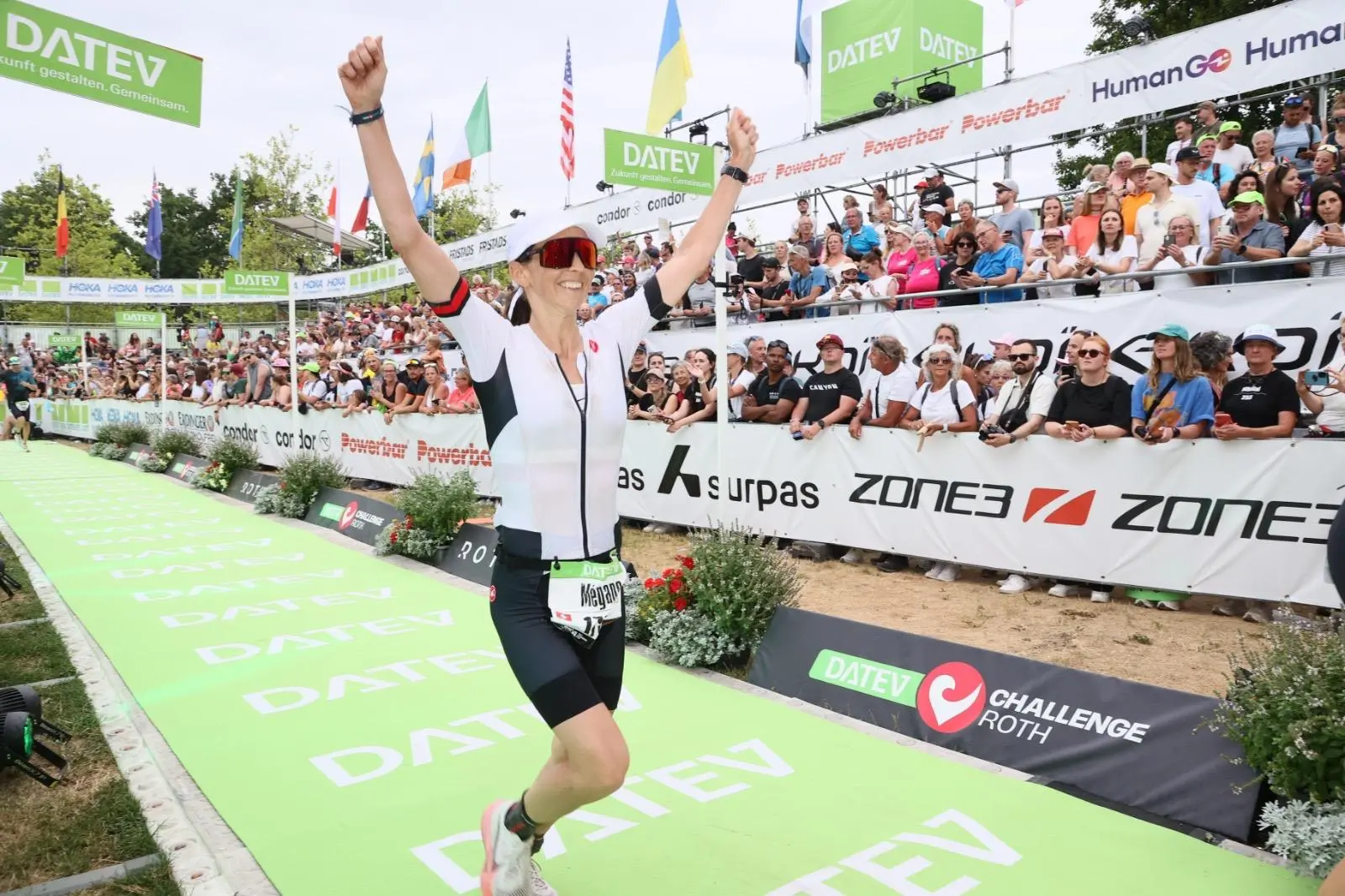
Controlled in the first five kilometres, when every instinct is telling you to go faster because the legs feel relatively good coming off the bike.
Patient through the middle section, where the heat is usually peaking and the gap between effort and pace is at its widest.
Honest at the aid stations — where taking ninety seconds to ice yourself down, walk briefly, and reset is almost always faster in the final result than grinding past without stopping.
And strong in the final ten kilometres, because you've managed your thermal load across the whole race rather than spending it all early.
The athletes I coach who run their best marathons in hot IRONMAN races aren't the ones who ignore the heat. They're the ones who take it seriously from the moment they arrive at the race venue and manage it systematically across every discipline.
The heat doesn't care how fit you are. Plan for it, or it will plan for you.
FAQ: IRONMAN Heat Management
How do I stay cool during the IRONMAN run? Use ice at every aid station — on the neck, forearms, and in your hands. Pour cold water over the back of your neck and wrists. Slow your pace to reflect the conditions rather than fighting the heat with effort. Pre-cooling before the race (ice vest, cold towels, cold drinks) gives you an additional thermal buffer to start from.
Does heat affect IRONMAN run performance? Significantly. Rising core temperature forces the body to redirect blood flow from muscles to the skin for cooling, which raises heart rate, increases perceived effort, and reduces gut absorption. A well-trained athlete can lose twenty to forty minutes on an IRONMAN marathon in extreme heat compared to racing in cool conditions — purely from thermal load.
How long does it take to acclimatise to racing in heat? Research suggests meaningful physiological heat adaptation takes ten to fourteen days of progressive exposure. Partial adaptation is possible through heat training techniques such as post-session sauna exposure (fifteen to twenty minutes) or training in extra layers to elevate core temperature. A training camp in a warm location before a hot-weather IRONMAN is the most effective approach.
Should I change my IRONMAN run pacing target in hot weather? Yes. Racing at a target pace set for cool conditions in a hot race is a very common cause of catastrophic blow-ups in the second half of the IRONMAN run. Adjust your target pace downward based on the forecast, not your training times. An experienced IRONMAN coach can help you set appropriate heat-adjusted targets for your specific race and fitness level.
What should I drink on the IRONMAN run in the heat? Both water and electrolyte drinks — not just water. In hot conditions, sodium loss through sweat is significant, and drinking water alone can dilute blood sodium levels (hyponatraemia). Take electrolyte drinks or carry salt tablets, particularly from the second half of the run onward.
 Work With an IRONMAN Certified Coach
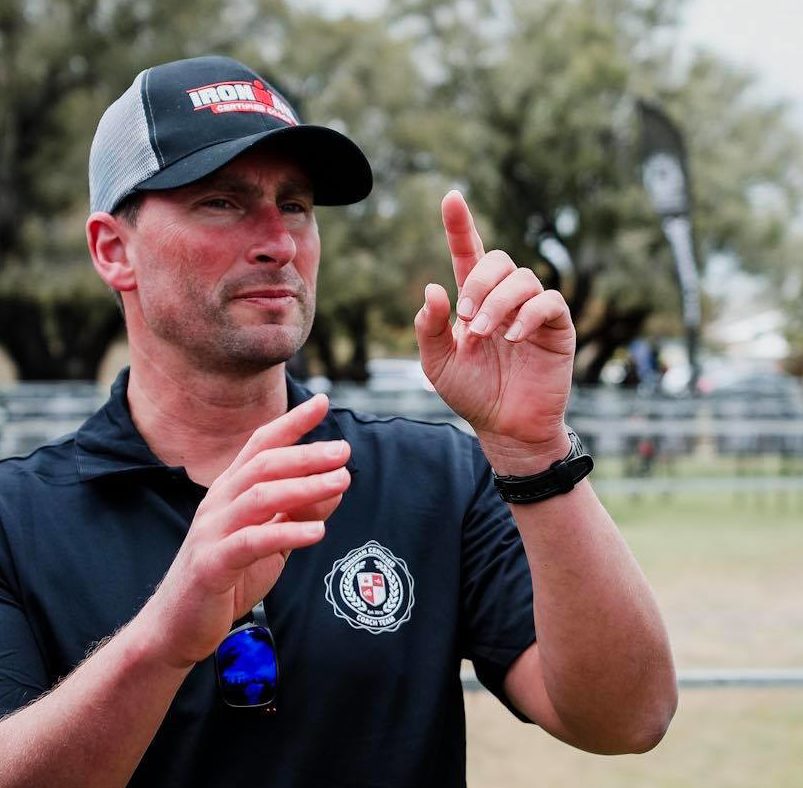
Managing heat in a long-distance triathlon requires more than reading about it. It requires a training plan built around your specific race conditions, proper heat preparation in the weeks beforehand, and a race-day execution strategy that accounts for temperature, not just fitness.
That's what working with an experienced IRONMAN coach provides — and it's what makes the difference between surviving the run and racing it.
👉 Find out about coaching with F4L Triathlon Coaching
Related reading: The IRONMAN Run Strategy Most Athletes Get Completely Wrong | IRONMAN Bike Pacing | Why Doing Less Makes You a Better Triathlete
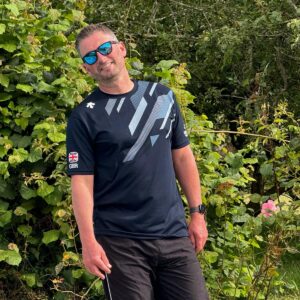
Paul Jones is a British Triathlon Level 3 Coach and IRONMAN Certified Coach, and founder of F4L Triathlon Coaching. Based in the North East of England, he coaches athletes of all levels — from first-time triathletes to experienced age-groupers targeting IRONMAN finish times and podiums.
If the run has cost you before, let's make sure it doesn't again.
Everything in this article — the heat management, the pacing discipline, the preparation that most athletes skip — is exactly what I work through with every coached athlete before a hot-weather race. Not as a checklist. As a plan built around you, your race, and the conditions you'll actually face on the day.
F4L Triathlon Coaching is built around one idea: that the athletes who race well aren't just the fittest — they're the ones who've prepared for the details that fall apart when it counts. The heat. The second half of the run. The moment when everything hurts and the plan is the only thing keeping you moving.
If you're ready to stop guessing and start building a race you can actually execute: