 Short answer: Strength training for triathletes is one of the best things you can add this winter. Two 30–40 minute sessions a week, built around a handful of basic exercises like squats, lunges, deadlifts, calf raises and core work, will make you more resistant to injury, more efficient when you run and ride, and better able to hold your form late in a race. You don't need a fancy gym, and it won't make you bulky.
Every November the same searches spike: strength training for triathletes, gym plans, winter routines. Lots of people know they should be doing it. Very few still are by February.
So here's what actually matters in strength training for triathletes, a simple plan you can stick to, and how it fits around your swim, bike and run.
Why strength training for triathletes matters
Triathlon is thousands of repeated movements: pedal strokes, foot strikes, arm pulls. If the muscles and tendons doing that work aren't strong enough, something eventually gives. Usually it's a calf, an Achilles, a knee or a lower back, and usually in spring when the training gets bigger.
Research backs this up. A well-known review by Rønnestad and Mujika found that adding heavy strength training improves running and cycling economy and endurance performance in trained athletes. In plain English, you use less energy at the same speed.
The benefits I see in my own athletes:
- Fewer injuries. Stronger tendons and muscles handle load better. This is the big one.
- Better running form late on. A strong core and hips stop you collapsing into a shuffle in the last 10km.
- More stable on the bike. Especially on long rides on the aero bars.
- A stronger swim catch. Shoulder and back strength helps you hold the water, and helps protect your shoulders.
- Staying strong as you age. After 40, strength work stops being optional. Muscle mass and bone density drop unless you work for them.
Why winter is the best time to start strength training for triathletes
Right now your swim, bike and run volume is lower and mostly easy. That leaves room to recover from strength sessions, and to work through the first couple of weeks of sore legs without it ruining a key session.
By spring, when the long rides and race-specific work start, you want strength to be a habit and your body already adapted. Start in January and you'll still be sore when the training ramps up. Start in November and you'll be ready.
The 6 best exercises: strength training for triathletes made simple
You don't need dozens of exercises. These six cover most of what matters:
- Goblet squat. Legs, glutes and core. Hold a kettlebell or dumbbell at your chest and sit down between your heels. 3 sets of 8–12.
- Romanian deadlift. Hamstrings, glutes and lower back, the engine for cycling and running. Hinge at the hips with a soft knee. 3 sets of 8–10.
- Reverse lunge or split squat. Single-leg strength and balance, which is what running actually is. 3 sets of 8 each leg.
- Single-leg calf raise. Protects your calves and Achilles, the most common running injury sites. Do them slowly off a step, with a bent-knee version too. 3 sets of 12–15 each leg.
- Row (dumbbell or band). Upper back strength for posture on the bike and a stronger swim pull. 3 sets of 10–12 each arm.
- Plank and side plank. Core stability for everything. 3 × 30–45 seconds each.
That's the core of strength training for triathletes. Add a short mobility routine for hips, thoracic spine and shoulders and you've covered the essentials.
 A simple winter plan for strength training for triathletes
| Phase | When | Sessions | Focus |
|---|---|---|---|
| Learn the movements | Weeks 1–3 (November) | 2 × 30 min | Light weights, good technique, 12–15 reps |
| Build strength | Weeks 4–12 (December–February) | 2 × 40 min | Heavier weights, 6–10 reps, 2–3 reps in reserve |
| Maintain | March to race day | 1–2 × 20–30 min | Keep the strength you built, without tired legs for key sessions |
Lift heavy enough that the last couple of reps feel hard, but stop before your form breaks. Strength training for triathletes is about quality. Grinding out ugly reps won't help your running.
How to fit strength training for triathletes into your week
This is where most people get it wrong. A few rules I use with my athletes:
- Put strength on a hard day, not an easy day. Do it after an interval session, or on the same day, so your easy days stay easy.
- Keep 24–48 hours between heavy leg work and your key run or long ride.
- Don't swap it for sleep. If the week is falling apart, strength work drops to one short session. It doesn't disappear.
- Record it. Log your sessions in your online training diary alongside swim, bike and run so you can see the whole load.
For a typical week, that might mean strength after Tuesday's swim and Thursday's turbo, keeping Saturday's long ride and Sunday's long run fresh. If you're building towards a 2027 IRONMAN, see IRONMAN off-season training for how this fits with the rest of your winter.
Common mistakes with strength training for triathletes
- Training like a bodybuilder. High-rep pump sessions and machine work for every muscle. You want movements, not muscles.
- Going too light for too long. Endless bodyweight exercises won't build the strength that protects tendons.
- Stopping in spring. The gains fade within weeks. Keep a short maintenance session going.
- Ignoring the calves and feet. They take the most load in running, and they're where many injuries start.
- Doing it on rest days. Rest days are for resting.
Where strength fits into your 2027 build
Strength training for triathletes is one piece of a bigger picture. Done well, it means you arrive at spring ready to train, not nursing a niggle. That matters if you're heading for a big training block. Our Mallorca Triathlon Training Camp 2027 (17–24 April, Colonia de Sant Jordi) is a week of coached swim, bike and run, and athletes who've done their winter strength work get far more out of it, because they can handle the volume and keep their form.
If you'd like a plan where strength, swim, bike and run are all built around your week, and adjusted when life gets in the way, have a look at F4L coaching for 2027. Every F4L plan includes strength training for triathletes and mobility as standard, because it's one of the simplest ways to stay healthy all season.
Frequently asked questions
How often should triathletes do strength training?
Two sessions a week of 30–40 minutes is ideal during winter and base training. From spring through to race day, one or two shorter maintenance sessions of 20–30 minutes is enough to keep the strength you've built without leaving your legs tired for key sessions.
Will strength training make me bulky or slow?
No. Heavy, low-rep strength work alongside endurance training builds strength and tendon resilience without significant muscle gain. Research shows it improves running and cycling economy, so you use less energy at the same speed.
Can I do strength training for triathlon at home?
Yes. A kettlebell or a pair of adjustable dumbbells, a resistance band and a step are enough to do goblet squats, Romanian deadlifts, split squats, calf raises, rows and planks. Increase the weight as you get stronger.
Should I do strength training before or after swim, bike or run sessions?
Generally after, or later the same day as, a hard session, so your easy days stay easy. Avoid heavy leg work in the 24–48 hours before a key run or long ride.
When should triathletes start strength training?
The best time is the off-season and early winter, from October to December, when swim, bike and run volume is lower. That gives your body time to adapt before training ramps up in spring.
Is strength training important for older triathletes?
Yes, more so. From around 40, muscle mass and bone density decline unless you train for them. Regular strength work helps older triathletes stay injury-free, maintain power and keep racing well for longer.
Paul Jones is Head Coach of F4L Triathlon Coaching, a British Triathlon Level 3 Coach and IRONMAN Certified Coach with over 20 years' experience. Read more about Paul.
Related Reading
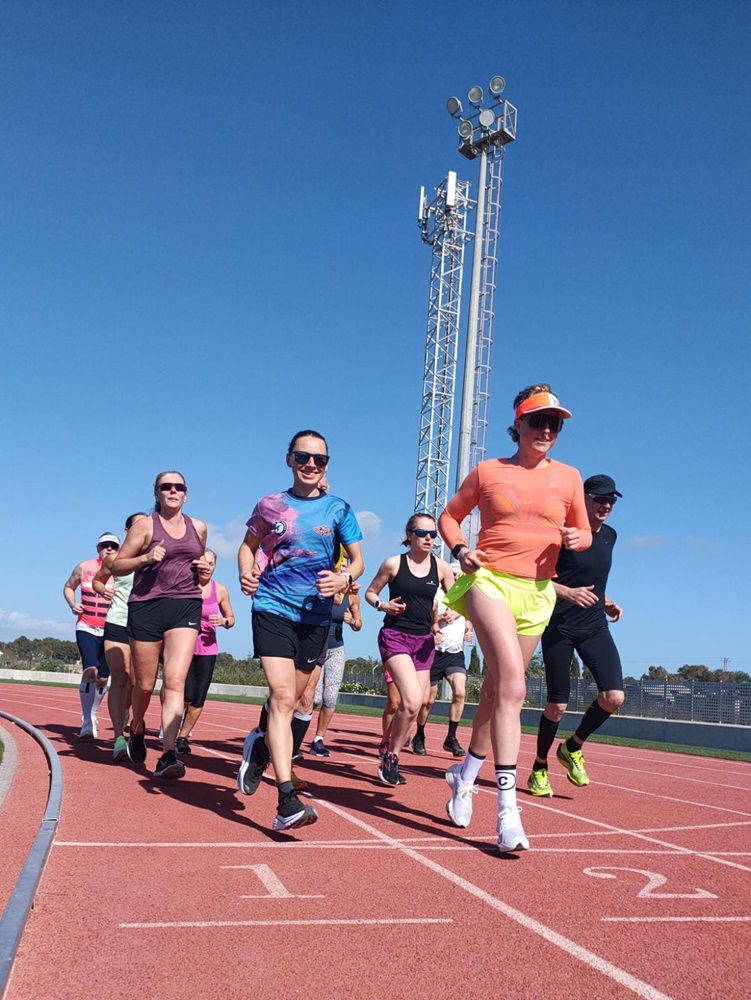
Why a Coached Training Camp Changes the Game
Anyone can book a week in the sun and ride their bike. What moves you forward is having a coach watching you do it.
That's what you're paying for on our camp. The week starts with bike skills and swim video analysis, so we know exactly what each athlete needs to work on before the real training begins. From there, every session is coached: poolside feedback as you swim, individual work on the faults the video picked up, guidance on the climbs and descents, and transition practice until it's second nature. Every drill has a clear purpose, and you'll be told why you're doing it. We pick the two or three changes that will make the biggest difference to you, rather than burying you in everything that could be better.
It works for mixed abilities too, because the coaching is aimed at the individual and not the group:
"The coaching team were always approachable and made me feel as if I was getting 1 to 1 coaching at all times even though it was a mixed ability group, they explained why I was struggling in certain areas and how to correct it with every drill having a clear objective."
Add warm weather, quality open water swimming, proper hills and no distractions from work, and you get a week of coached training that's almost impossible to replicate solo through a British winter. You go home fitter, and you go home knowing what to work on and how to fix it.
Our next Mallorca training camp runs 17–24 April 2027 in Colonia de Sant Jordi, from £1,099pp, with a £250 deposit to secure your place. Timed right after a winter of proper base building, it's the ideal springboard into race season for anyone building towards a 2027 IRONMAN.
Where Coaching Makes the Difference
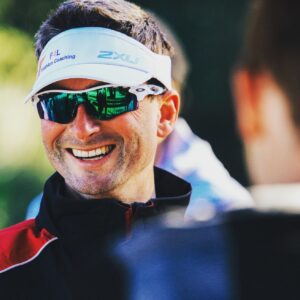
I've spent over 20 years coaching triathletes, and the plans that work aren't generic ones pulled off a shelf. My job is to help people achieve the impossible — their goals, their ambitions — whether that's getting to a first triathlon finish line or chasing a Kona qualification, built around training that fits real life: family first, work second, training third, and still gets you to the start line in the shape of your life.
I'm a British Triathlon Level 3 and IRONMAN Certified Coach, also holding Triathlon Australia Performance Coach and Certified Biomechanics Coach credentials — so whatever stage you're at, the plan in front of you is built on what actually works, not what looks good on paper.
Start Now, Not in March
If 2027 is your IRONMAN year, the work starts now — not when the weather turns. Get in touch about 1-2-1 coaching with F4L, or secure your place on the 2027 Mallorca training camp and give your off-season a proper finish line of its own.